
Have you ever wondered what the link is between blood sugar and the glycemic index?
It comes down to this: Foods that contain carbohydrates with a low glycemic index (GI) are digested and absorbed slower than other foods, which leads to a gradual and steady rise in your blood sugar levels as compared to foods with a high glycemic index, which leads to more spikes in the rise of your blood sugar levels.
What is the Glycemic Index?
The Glycemic Index is a scale used to rank foods that contain carbohydrates, based on these foods’ effect on your blood sugar levels. Foods with a glycemic index of 55 or less have a low glycemic index, while foods with a glycemic index of 55 to 70, have a medium glycemic index. Foods with a glycemic index of over 70 are considered to have a high glycemic index.
Consuming foods with a low glycemic index can help prevent rapid spikes and crashes in blood sugar levels. Low glycemic foods can also help you to feel fuller quicker, which, in turn, can assist you with eating less. Incorporating foods with a low glycemic index can change the landscape for those dealing with diabetes by reducing the risks of developing nerve damage and cardiovascular diseases.
The Glycemic Index is a very useful and beneficial tool for people with diabetes who are looking to manage their blood sugar levels better.
How is the Glycemic Index calculated?
The glycemic index of a food is calculated by measuring the effect of a specific amount of carbohydrate in that food on blood sugar levels compared to the effect of the same amount of carbohydrate from a reference food, usually glucose or white bread. This amount of carbohydrates is usually around 50 grams.
The most common way to determine a food’s glycemic index is to do tests on certain foods:
- Test subjects consume a portion of the test food containing a specific amount of carbohydrate after an overnight fast.
- Blood samples are taken at regular intervals over the next two to three hours to measure the rise and fall of blood glucose levels.
- The area under the blood glucose response curve for the test food is then compared to the area under the curve for the reference food.
- The result is expressed as a percentage of the blood glucose response to the reference food, with glucose typically assigned a value of 100.
What are some examples of low GI goods?
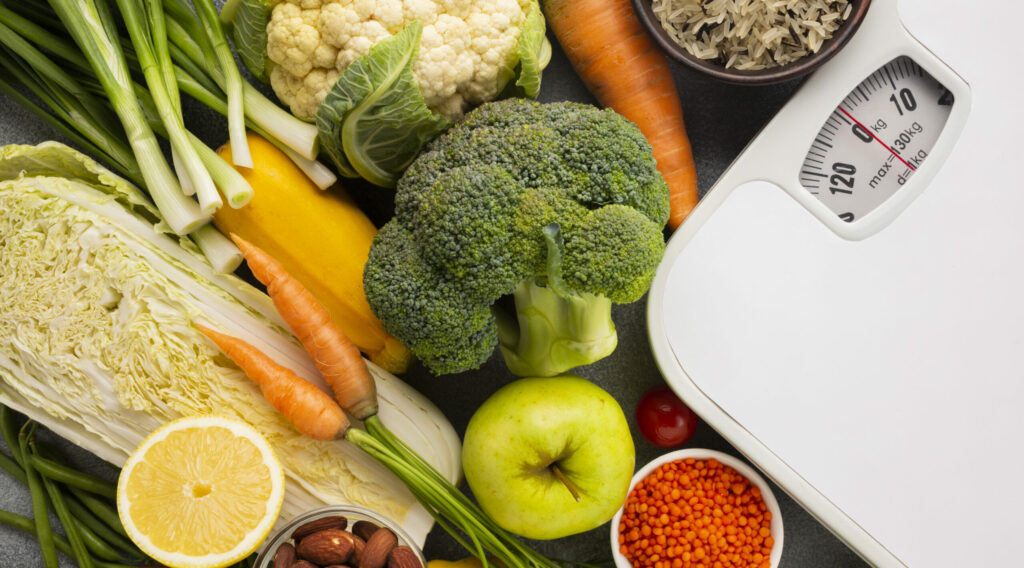
Low GI foods include many fruits and vegetables, whole grains, and legumes. These foods can be part of a balanced diet for individuals with diabetes to help manage their blood sugar levels. It’s important to note that the overall balance of the diet, portion sizes, and individual tolerance to different foods are also important factors in diabetes management.
Below is a list of foods that have a low glycemic index.
- Rolled oats
- Seeded bread
- Legumes (such as beans, peas, lentils and chickpeas)
- Corn on the cob
- Sweet potato
- Citrus fruits
- Frozen green peas
- Frozen sweet corn
- Raw carrots
- Broccoli
- Cauliflower
Try to incorporate some of these in your daily diet, to help you with your diabetes control!
How often should you eat low GI foods?
If you are diabetic, it is recommended to eat low glycemic index foods regularly as part of a balanced diet, ideally as part of ever every meal and snack. This helps you regulate your blood sugar levels and can help prevent rapid spikes and drops in blood sugar, which is very important for diabetic management.
Include a few of the foods mentioned above regularly. These foods are digested and absorbed more slowly, resulting in a gradual rise in blood sugar levels. This can help to keep your blood sugar levels more stable throughout the day.
By choosing low GI foods you reduce the risk of hyperglycemia (high blood sugar) and its associated complications. Additionally, low GI foods can also help with weight management, which key to managing diabetes efficiently.
It is, however, important to work with a registered dietitian or a healthcare professional to create a personalized meal plan that includes low GI foods and meets your specific dietary needs as a diabetic. They can help you understand how to incorporate these foods into your diet and monitor their effects on your blood sugar levels.